"The last 16 months, this has been going on, really for 11 and 12 years that they have been trying to make changes. So we are very excited to get the moratorium rescinded."
That's Terry Miller, the Ocean City resident who led the petition drive against the town's short-term rental moratorium, speaking after the Mayor and Council voted unanimously on February 17, 2026, to repeal it. The quote reads like a clean win for property owners across the resort. It isn't quite that.
The moratorium Miller fought never applied to a condo. It never applied to most of Ocean City's rental inventory at all. According to reporting from Fox Baltimore and the Baltimore Sun, the two zoning districts caught up in this fight make up roughly 3 percent of the resort's roughly 9,000 rental units. If you're comparing a beachblock condo to a single-family home in Ocean City for rental income, the headline story and the story that actually governs your purchase are two different documents.
What the Moratorium Actually Covered
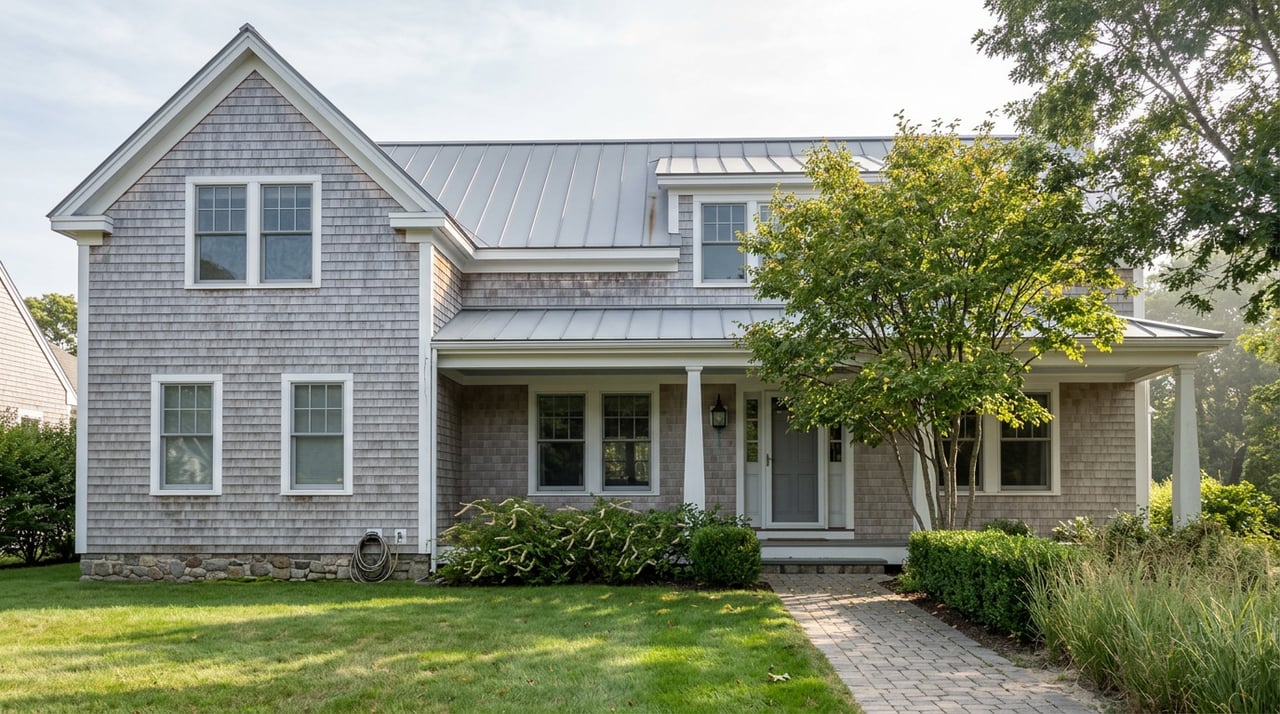
The rule in question only ever touched the R-1 (single-family residential) and MH (mobile home) zoning districts. It started as an emergency measure the Mayor and Council approved on February 3, 2025, pausing new short-term rental license applications in those two zones while the town studied noise complaints, parking, and quality-of-life concerns tied to nightly rentals in residential neighborhoods.
The fight that followed played out in five dates worth knowing if you're weighing a property in one of these districts:
- February 3, 2025 — the Mayor and Council enact the moratorium, pausing new STR licenses in R-1 and MH zones.
- July 22, 2025 — voters reject a proposed ordinance requiring 5-night minimum stays in those districts (escalating to 31 nights by 2027), by a margin of 834 to 800.
- Fall 2025 — the Council votes to extend the moratorium through January 3, 2027, arguing more time is needed to study length-of-stay rules.
- January 21, 2026 — petition organizers submit 1,257 signatures opposing the extension.
- February 17, 2026 — the town certifies 1,159 of those signatures as valid, comfortably past the 990 required to force a second referendum. Rather than run another special election, the Council votes unanimously to repeal the moratorium outright.
City Manager Terry McGean told WBOC after the vote that he wasn't aware of any new proposal for additional short-term rental regulation at the time. As of this writing, that's still the state of play: the moratorium is gone, and the town has signaled it's done legislating this particular fight for now.
The Buildings This Never Touched
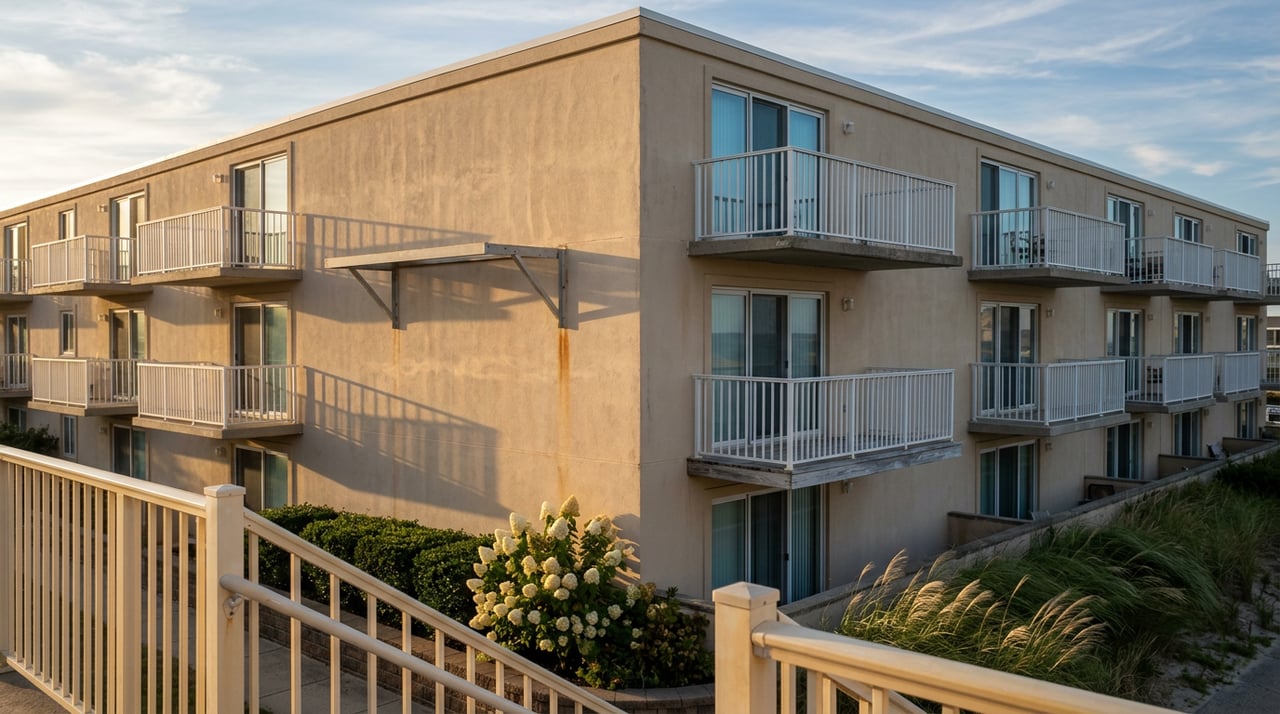
Here's the part of the story that matters more if you're shopping Ocean City with rental income in mind. R-1 and MH are single-family and mobile-home zoning designations. Condo towers, which make up the overwhelming majority of Ocean City's rental stock, aren't zoned that way and were never part of this ordinance fight in the first place.
If you've toured buildings along the boardwalk or the bayside, you already know the names: Gateway Grand, High Point North, Century One, Golden Sands, English Towers, The Carousel. None of these were ever subject to the R-1/MH moratorium, and none of them needed a City Council vote to keep renting nightly. Their rental rules have always lived somewhere else: in the association's governing documents.
That's the real distinction a buyer needs to sort out before making an offer, and it's a different question depending on which side of Ocean City's housing stock you're looking at.
| R-1 / Mobile Home Districts | Condo Buildings | |
|---|---|---|
| Rental rules set by | Town zoning ordinance | Building's HOA or condo association bylaws |
| Affected by the 2025-2026 moratorium | Yes | No, never restricted |
| Typical minimum stay | None currently in effect | Often 7 nights, varies by building |
| Share of Ocean City's roughly 9,000 rental units | Around 3 percent | The remaining majority |
| License still required | Town rental license plus STR supplement | Same town license, plus association approval |
A condo association can set a 7-night minimum stay tomorrow through a simple bylaw amendment, no referendum required. A single-family home in an R-1 district just spent two years in legislative limbo over the same question and came out the other side with no minimum stay at all, at least for now. Neither path is more or less restrictive as a rule. They're just governed by entirely different bodies, and only one of those bodies answers to voters.
The Rule That Actually Slows a Deal Down
Every short-term rental in Ocean City, regardless of zone, still needs the town's standard paperwork: an annual rental license, a supplemental short-term rental license, and a Fire Marshal inspection before the first guest checks in. Occupancy limits, though, are not one town-wide number. R-1 and mobile-home districts use a headcount formula, 2 persons per bedroom plus 2 additional guests, with children under 10 exempt, paired with midnight-to-7-a.m. quiet hours. Other zones, where most condo buildings sit, are governed by a square-footage standard instead. A buyer comparing a single-family home to a condo unit is comparing two different occupancy rulebooks, not one rule applied two ways.
That headcount formula has had its own rough year. Enforcement drew pushback from owners and managers heading into the 2026 season, and the town eased some of that enforcement while officials review how the rule should work going forward. It's a smaller story than the moratorium fight, and it got a fraction of the coverage, but it's the piece that actually determines how many people can legally sleep in the property you're evaluating this month.
That's the pattern worth remembering here. The fight everyone read about was a zoning dispute affecting a sliver of the market. The rule that quietly shifted mid-season, with far less attention, is the one tied to actual bedroom counts and guest limits, the number that shapes a rental income projection far more than a moratorium most buyers were never subject to.
What This Means If You're Comparing Properties
Before you weigh rental income into an Ocean City purchase, the zoning designation and the building type tell you which rulebook actually governs the property:
- If it's a single-family home, confirm the zoning district and ask whether the property already holds a rental license predating any past moratorium period. Grandfathered status matters more here than anywhere else in town.
- If it's a condo, the town's rules are the smaller half of the picture. Request the association's governing documents and rental policy directly, including any minimum-stay requirement, rental caps, or pre-approval process the board has adopted.
- Regardless of zone or building, confirm current occupancy limits and quiet-hours rules with the town before you build a rental projection around a specific bedroom count.
- Ask whether the unit runs through the building's affiliated management company. Many Ocean City condo associations require it, which affects both your rental logistics and your bottom line.
None of this changes because the town voted to end a moratorium in a zone most buyers aren't shopping in anyway. It changes because the actual constraints on your rental income were always sitting in a different set of documents than the ones making the news.
A Few Questions Worth Asking
Does the moratorium repeal affect my Ocean City condo? No. The moratorium applied only to the R-1 and mobile-home zoning districts. Condo buildings were never zoned that way and were never part of the restriction. Your building's own association rules, not this ordinance, govern minimum stays and rental approval.
What license do I need to short-term rent a property in Ocean City now that the moratorium is gone? The same one required town-wide: an annual rental license, a supplemental short-term rental license, and a Fire Marshal inspection covering smoke detectors, carbon monoxide detectors, and posted occupancy limits. That requirement never changed, in any zone.
Is the fight over rental rules in Ocean City actually settled? The moratorium itself appears resolved, repealed unanimously with no pending proposal to replace it as of the vote. Occupancy enforcement is a separate, more recent conversation the town is still working through, and it's worth checking current status before finalizing a rental income projection.
If you're weighing a rental property in Ocean City, whether it's a single-family home in a quieter block or a unit in one of the boardwalk towers, the paperwork that actually determines what you can do with it rarely matches the version making headlines. The Sharon Daugherty Group works these details building by building across the Delmarva coast. Contact Us to talk through a specific property before you assume you know which rules apply.